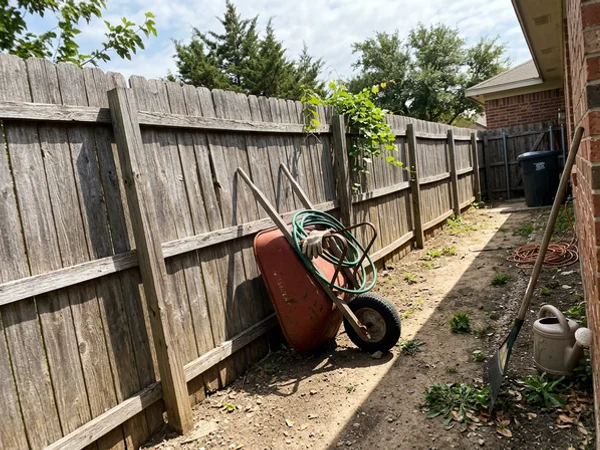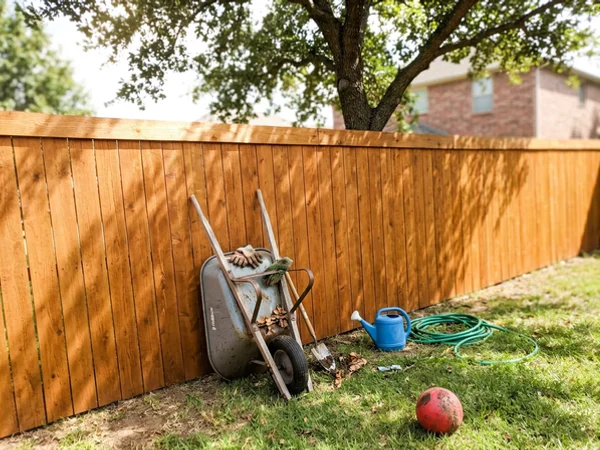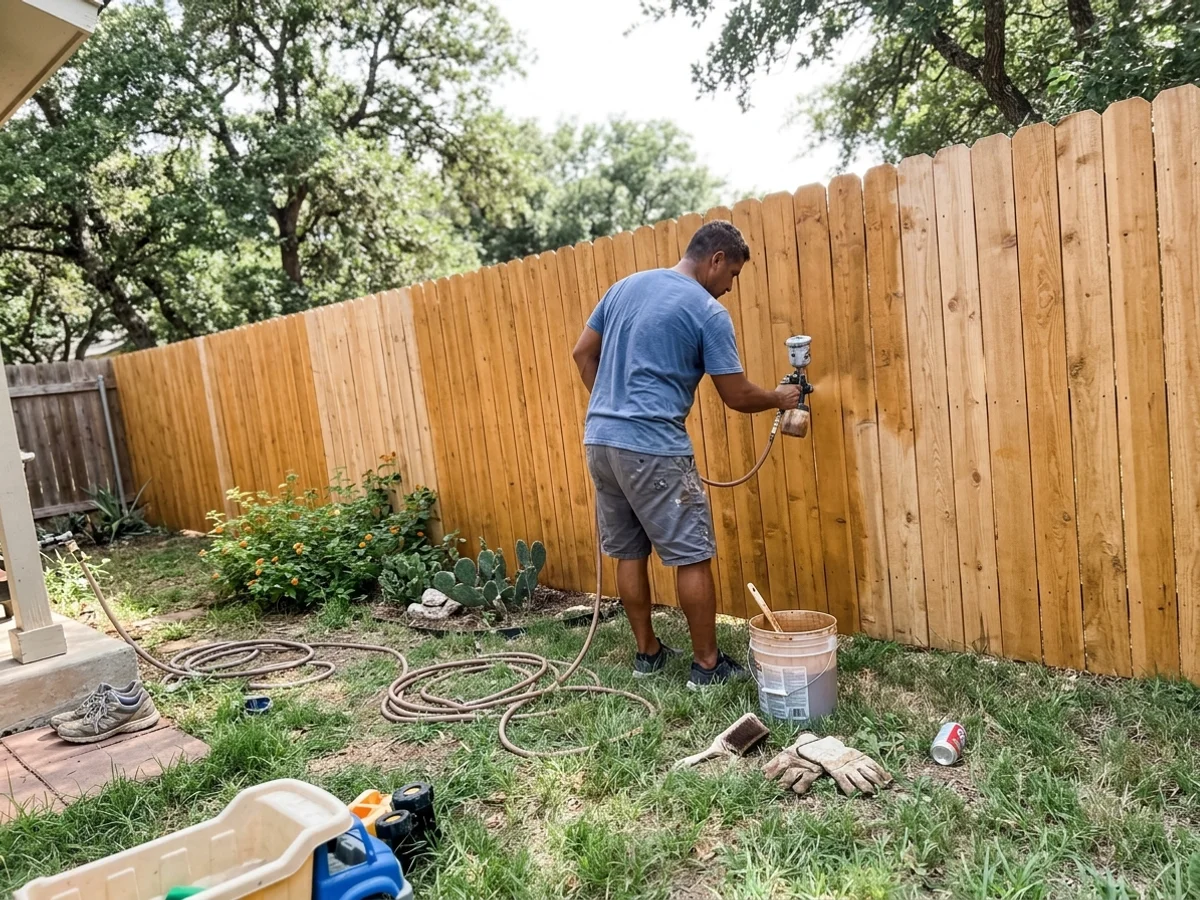
Have you watched your beautiful cedar fence turn gray and rough just a few months after putting it up in Round Rock?
We completely understand the frustration of fading outdoor wood. The intense Central Texas summer sun can bake the color right out of a new deck.
Our professional service team handles deck & fence staining projects across Round Rock to stop this damage in its tracks. Grab a cup of coffee, and let’s go through the exact steps together.
Deck and Fence Staining for Round Rock Sun
The summer UV index across Round Rock easily hits a scorching 8 to 11, matching the hottest parts of the US. We see exactly how this intense radiation pulls natural oils from bare wood, causing it to split and turn silver very fast.
A cedar fence that looks warm and golden in spring can feel completely rough by the next summer. Our finishing process uses advanced UV blockers, like the zinc nano-particles found in DEFY Extreme stain, to slow that aging down and protect the wood from water damage.
The sun ruins bare wood in a few specific ways:
- UV radiation breaks down polymer bonds in the surface.
- Heat pulls natural oils out, leading to dry rot.
- Constant temperature swings cause warping and splitting, which happen fast when a 100-plus-degree afternoon drops to a cool 60-degree morning.
We stain cedar and pressure-treated pine decks and fences across Round Rock. Horizontal deck boards and vertical fence pickets wear differently.
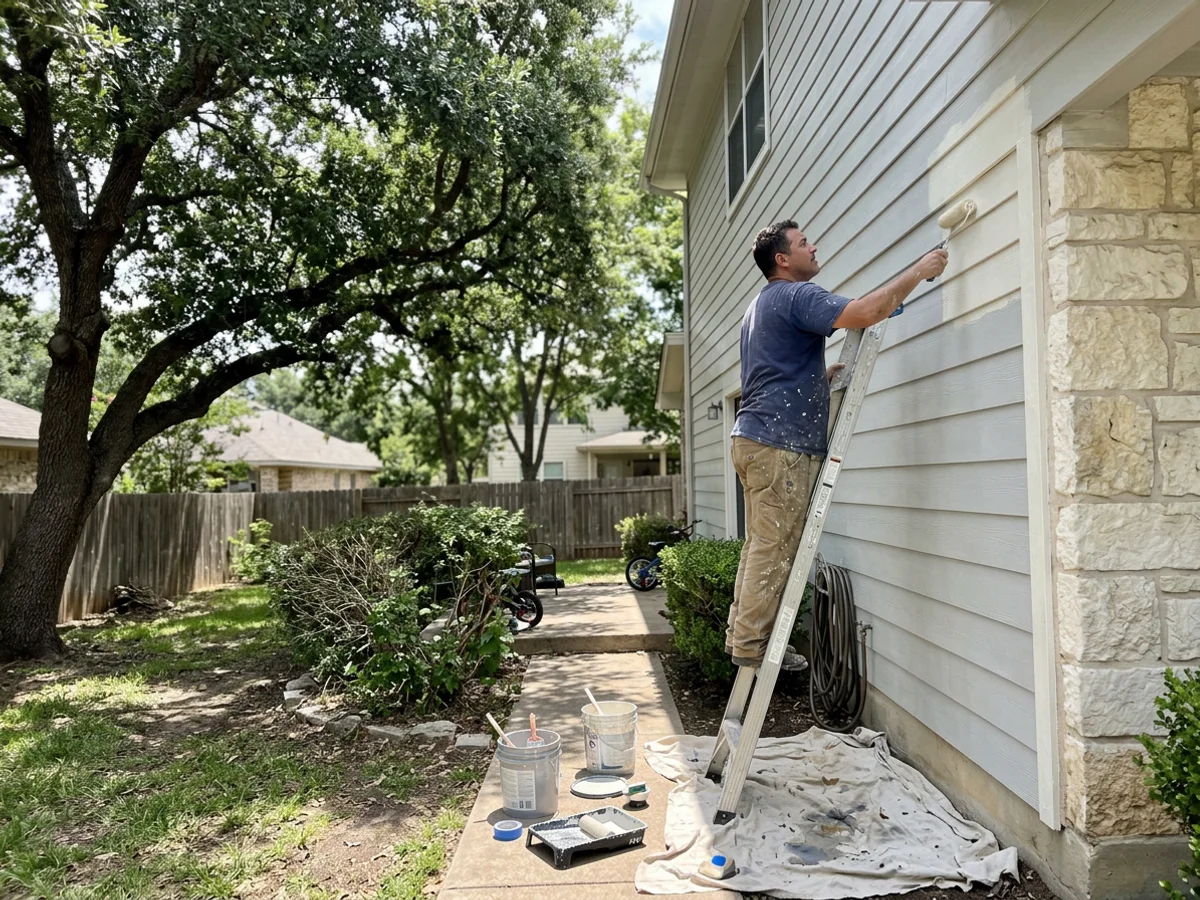
Our crew recommends specific stain types and re-coat schedules that fit your wood, exposure and the final look you want. Staining pairs naturally with exterior painting, and getting both done in one scheduled visit is a huge time saver.
How We Prep and Stain
We follow a strict application process to ensure perfect adhesion. Skipping prep steps guarantees peeling and failure down the road.
Our team focuses heavily on moisture control and surface cleaning. The process breaks down into three essential phases:
- Clean and brighten. We wash away dirt, mildew and gray surface fibers with a specialized cleaner. A premium wood brightener, usually an oxalic acid cleaner, goes on next to restore the wood’s natural color and open the pores.
- Dry and test. We check the boards with a digital moisture meter instead of just guessing by touch. For perfect stain penetration, the wood must show a moisture content of 15% or less. Our guide on how long to wait to stain new cedar or pine explains why new lumber often needs extra drying time.
- Apply and back-brush. Spraying or rolling the stain is only the first part of the application. We back-brush the liquid deep into the grain so it soaks in perfectly even. Wiping off the excess is crucial so the finish never gets sticky or starts peeling.
Common Problems We Solve
We fix a variety of common wood issues during the prep phase. Here are a few frequent challenges in Round Rock yards:
- Gray, weathered wood. UV rays break down the wood surface rapidly, especially on west-facing fences in Teravista, Behrens Ranch and the open-lot Paloma Lake sections. We bring back much of the rich color by cleaning and brightening before applying the stain.
- Blotchy old stain. Uneven fading or a past DIY coat can leave ugly patches. Our team cleans the boards deeply and, if needed, switches to a more opaque stain type that evens things out.
- Peeling solid stain on decks. Solid stain films frequently peel on horizontal boards holding standing water. We scrape the loose areas entirely and usually recommend a penetrating oil product instead.
- Tannin bleed. Cedar’s natural tannin bleed often discolors light stains. Our smart stain choices and proper cleaning methods reduce this discoloration.
Semi-Transparent or Solid?
The right finish depends entirely on the age of your boards and how much maintenance you want to do. We hear a lot of questions about which option provides the best value.
This quick comparison highlights the main differences:
| Feature | Semi-transparent stain | Solid color stain |
|---|---|---|
| Look | Shows natural wood grain | Covers grain, looks like thin paint |
| Best for | Newer or good-condition wood | Older, weathered or mismatched wood |
| Wear | Fades gradually | Lasts longer on fences, can peel on decks |
| Re-coat | Every 2 to 3 years | Every 3 to 5 years (vertical surfaces) |
| Avg. Material Cost | $40 to $55 per gallon | $45 to $65 per gallon |
We highly recommend penetrating oil-based stains, like TWP 1500 Series, for decks. These formulas soak deep and simply wear away rather than flaking off in sheets.
Our complete guide on semi-transparent vs solid stain covers these options in greater detail.
When Is It Time to Re-Stain?
Try the water beading test by sprinkling a few drops of water on the surface. We know the finish is still working if the water beads right up.
If those drops soak in and darken the boards within ten minutes, the wood needs a fresh coat. Our guide on how often to stain a deck or fence in Texas has typical intervals for the Round Rock climate.
According to 2026 data, the national average cost of deck staining sits around $1,281, though professional prep and top-tier products influence the final price.
Our detailed breakdown on fence staining cost in Texas explains how local pricing works based on square footage. Regular maintenance saves thousands of dollars in wood replacement costs over a decade.
We are ready to help you protect that investment and boost your curb appeal today. Reach out for a free estimate within 24 hours on your Round Rock deck & fence staining project, and let’s get that wood looking new again.