
Patch or Replace in a Round Rock Home?
Most Round Rock homeowners assume any visible wall damage requires a full panel replacement.
The truth is often much simpler.
For how we handle Round Rock drywall repair, see our service page. The decision between a drywall patch and replace usually comes down to structural integrity and whether moisture or clay-soil movement is still active.
Size Thresholds
The size of the hole is the fastest way to determine your repair method.
We usually switch from patching to panel replacement when damage exceeds six inches. Standard wall studs sit 16 inches apart. If a hole spans most of that gap, a patch simply will not have enough support to hold up over time.
| Damage | Usual fix |
|---|---|
| Nail holes, small dings | Fill and sand |
| Nail pops | Reset with screws, fill, feather |
| Hairline cracks | Tape, mud, feather |
| Holes up to about fist size | Patch with backing or a patch kit |
| Holes larger than your hand | Cut out and replace a section |
| Long cracks with loose or crumbling board | Replace section |
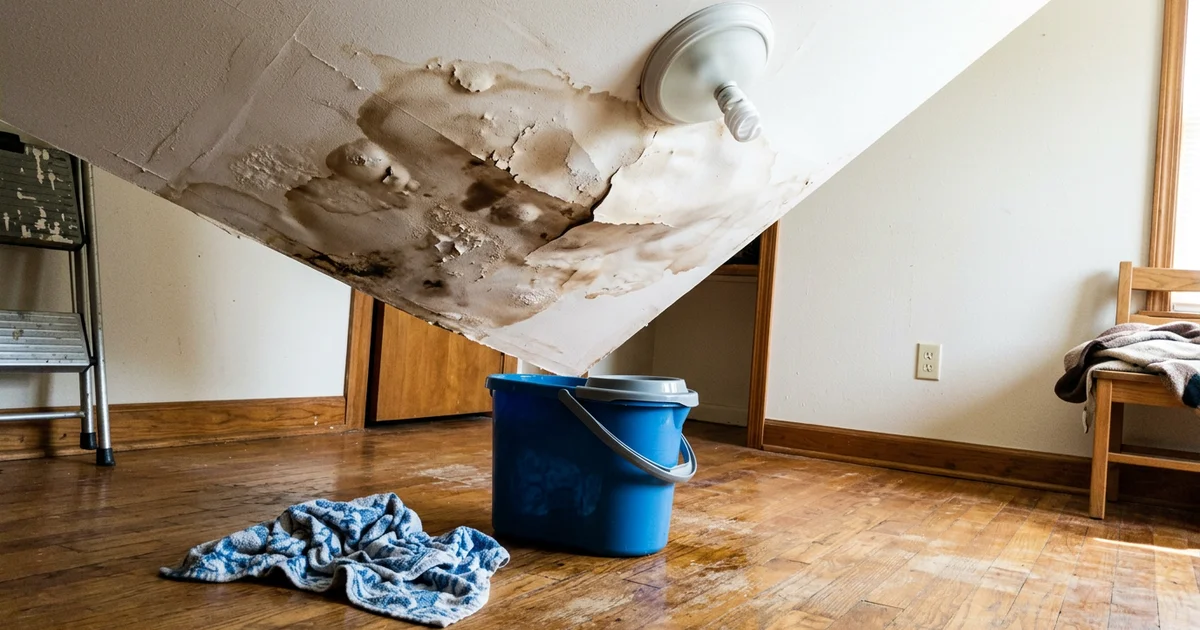
| Soft, sagging or moldy drywall | Replace section after fixing the cause |
How Patching Works
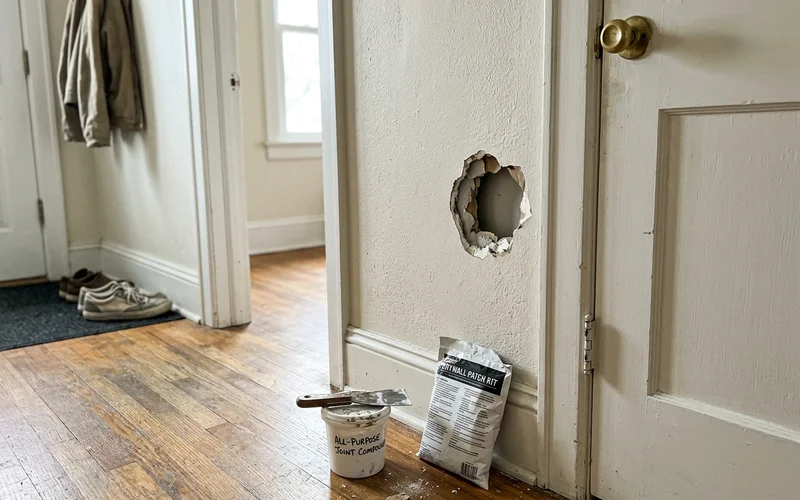
Patching is the go-to solution for localized damage where the surrounding gypsum remains structurally sound. Fast-setting joint compounds like USG Easy Sand 5 allow professionals to apply multiple coats in a single day. The product chemically sets hard in just five minutes.
Our team follows a strict process:
- Trim loose paper and crumbled gypsum.
- Add backing behind larger holes so the patch has support.
- Cover the gap with a self-adhesive fiberglass mesh tape like FibaTape.
- Apply joint compound in thin coats, feathering wide to blend the edges.
- Sand the dried mud, match the texture, prime and paint.
How Section Replacement Works
Section replacement is required when damage compromises the strength of the wall. We cut the damaged area back to the framing members to give the new panel a solid anchoring point.
- Cut the damaged area back to a clean rectangle, ideally to the nearest studs.
- Add wooden backing blocks where the seams do not meet a stud.
- Screw in a new piece of drywall cut to fit the opening.
- Tape all seams with paper tape for maximum crack resistance.
- Mud, feather, sand, texture, prime and paint.
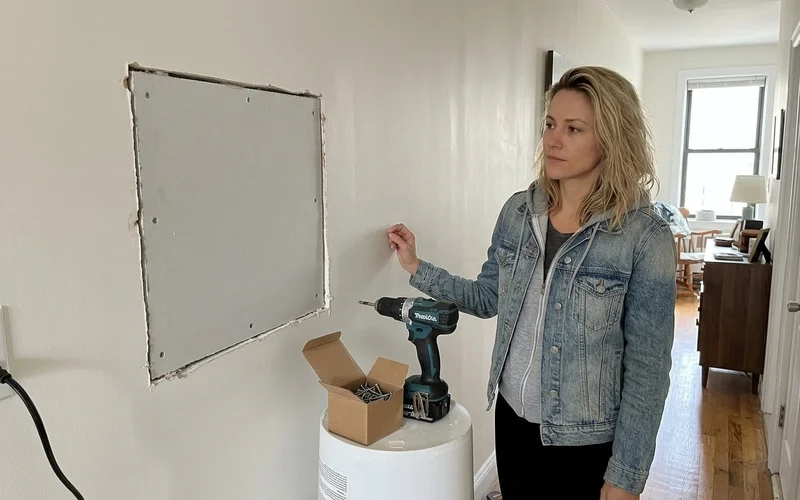
Section replacement takes longer than a standard patch because of the extended drying time between coats.
Water Damage Is Different
Water damage instantly changes the repair calculation. We refuse to patch over wet gypsum because the material loses its strength and becomes a breeding ground for mold. The EPA states that moldy areas larger than 10 square feet require professional remediation.
Before any repair begins, you must evaluate the moisture spread:
- The leak must be fixed. Roof, plumbing, AC drain line or window. Otherwise the new drywall fails too.
- Check how far the damage goes. Moisture spreads behind the paint, so stains often look smaller than the actual soft area.
- Look for mold. Moldy drywall must be completely removed, never just painted over.
Round Rock humidity climbs through the spring and early summer, and attic AC drain-line clogs are the most common ceiling-stain call we get. Our protocol for a firm wall with a simple stain is to apply a stain-blocking PVA primer followed by paint. For soft, bulging or crumbling materials, replacement is the only safe option.
Cost and Time Trade-Offs
Recent 2026 data from HomeAdvisor shows the average US drywall repair costs around $613.
| Feature | Patch | Section replacement |
|---|---|---|
| Typical cost | Lower | Higher |
| Time on site | Shorter | Longer |
| Drying time | Less | More, with more seams to finish |
| Best for | Small, sound areas | Large, weak or wet areas |
| Durability | Good when done right | Best for big damage |
Blending Texture and Paint
The true mark of a successful repair is an invisible transition between the old wall and the new mud.
- Match the texture accurately, whether your Round Rock home features orange peel, knockdown or smooth.
- Prime the new joint compound with a high-quality PVA primer so the topcoat does not flash.
- Paint the full wall, corner to corner, rather than just touching up the patch itself.
Our painters always recommend the corner-to-corner approach so sheen stays consistent across the surface.
Cracks That Keep Coming Back
Recurring cracks usually indicate an underlying structural issue rather than a simple drywall failure. Round Rock sits on expansive Blackland clay that swells with rain and shrinks hard during a 100-plus-degree summer. That constant movement tears standard joint tape right down the middle.
Our guide on why drywall cracks explains how shifting foundations and settling framing stress the walls.
Common signs of structural movement:
- Cracks that grow wider than a quarter inch.
- Doors or windows that suddenly begin sticking.
- Diagonal cracks radiating from door frames in Forest Creek and Brushy Creek homes.
We advise property owners to address the movement source before attempting another cosmetic fix.
Ceiling Repairs
Ceiling repairs carry a higher level of risk because gravity constantly pulls on the damaged material. We always recommend replacing soft ceiling drywall instead of patching it. Water weighs over eight pounds per gallon.
Common causes of Round Rock ceiling damage:
- Roof leaks during heavy spring rainstorms.
- Overflowing AC drain lines in the attic (very common after a Round Rock summer).
- Plumbing failures from upstairs bathrooms.
Our repair process starts only after the leak is fixed and the surrounding wood is dry. The crew cuts out the damage and installs rigid 5/8-inch drywall, which resists sagging better than standard half-inch panels.
How Long Repairs Take
| Repair type | Typical time |
|---|---|
| Nail holes and dings | Same day with paint |
| Small patches | 1 to 2 visits |
| Section replacement | 2 to 3 days with drying time |
| Ceiling water damage | 2 to 4 days after the area dries |
Most of that time is simply waiting for the wet materials to harden. Our crews use fans and dehumidifiers to speed up the process when summer humidity slows curing.
Can I Patch It Myself?
You can absolutely tackle small Round Rock wall repairs on your own. Fix basic nail holes and minor dings with lightweight spackle. Larger repairs demand specialized tools and a lot more patience.
The hardest parts of a DIY repair:
- Feathering compound with a 10-inch or 12-inch drywall knife to hide humps.
- Matching existing wall textures accurately.
- Priming properly so the final paint coat does not flash.
A professional gets a much better result on anything bigger than a small hole or any overhead ceiling repair.
Get a Clear Answer
Our Bluebonnet Ridge Painting Round Rock team will look at your wall damage, check for hidden moisture and tell you whether you need a patch or a section replacement. You get the repair, texture matching and final paint coat bundled into one fixed price.
Book a free repair estimate by calling (512) 555-0163 or emailing demo@locuspilot.com. We will be at your door within 24 hours anywhere in Williamson County.